
Best Composite Bonding Woodbridge VA | Fast & Affordable Smile Repairs
Composite Bonding Woodbridge VA: An Artistic Solution for a Flawless Smile
Sometimes, it’s the smallest imperfections that make us the most self-conscious about our smiles. A tiny chip in a front tooth, a persistent gap, or a single discolored spot can distract from an otherwise healthy appearance. At 703 Dental, we specialize in composite bonding in Woodbridge, VA, an incredibly versatile and conservative cosmetic treatment that can resolve these issues in a single appointment.
Our practice views dental bonding as a blend of clinical science and fine artistry. Using high-quality resin materials, we can sculpt and reshape your teeth to create a more harmonious, confident smile. If you are looking for an affordable, non-invasive way to enhance your appearance in the 22193 area, composite bonding at 703 Dental may be the perfect solution.
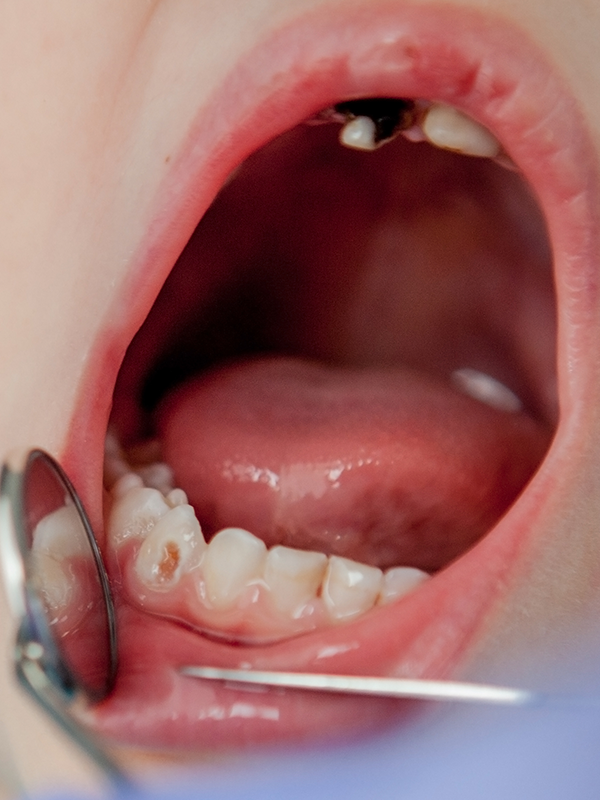
What is Composite Bonding?
Composite bonding—often simply called “dental bonding”—is a cosmetic procedure where a tooth-colored resin material is applied to the surface of a tooth and then sculpted, hardened, and polished. The term “bonding” comes from the fact that the material literally bonds to the natural tooth structure, creating a durable and seamless restoration.
Unlike porcelain veneers or crowns, which are fabricated in an external dental laboratory and require multiple visits, bonding is performed “chairside” by our expert clinicians. This allows for immediate results and gives the dentist total control over the shape, texture, and color of the restoration as it is being created in real-time.
Top Reasons to Consider Dental Bonding
Composite bonding is one of the most flexible tools in cosmetic dentistry. At our Woodbridge office, we frequently use bonding to address a variety of aesthetic and functional concerns:
-
Repairing Chipped or Cracked Teeth: Even a minor chip can make a tooth vulnerable to further damage and affect your confidence. Bonding restores the original shape of the tooth and protects the inner layers from bacteria.
-
Closing Small Gaps (Diastemas): If you have small spaces between your teeth but don’t want to commit to long-term orthodontic treatment like Invisalign, bonding can be used to slightly widen the teeth and close the gaps for a more uniform look.
-
Concealing Stubborn Discoloration: Some stains—especially those caused by medication or internal trauma—do not respond to traditional teeth whitening. We can apply a thin layer of composite resin over the tooth to mask the discoloration permanently.
-
Reshaping Irregular Teeth: If one tooth is noticeably shorter than the others or has an unusual “peg” shape, bonding can be used to add length and volume, bringing that tooth into balance with the rest of your smile.
-
Protecting Exposed Roots: When gums recede, the sensitive root of the tooth is exposed. We can use bonding material to cover and protect these areas, reducing sensitivity and preventing root cavities.
The Advantages of Choosing Bonding at 703 Dental
Why do so many patients in Prince William County choose bonding over other cosmetic options?
-
Speed and Efficiency: Most bonding procedures take between 30 and 60 minutes per tooth. You can walk in with a chip and walk out with a perfect smile in a single lunch break.
-
Cost-Effectiveness: Bonding is significantly less expensive than porcelain veneers or crowns, making it an accessible “smile makeover” option for many families.
-
Non-Invasive Nature: Unlike crowns or veneers, which require the removal of a significant amount of enamel, bonding requires little to no tooth preparation. This means the structure of your natural tooth remains intact.
-
No Anesthesia Required: In most cases, because we aren’t removing healthy tooth structure, the procedure is completely painless and does not require numbing or needles.
The 703 Dental Bonding Process: Step-by-Step
At 703 Dental, we take pride in the meticulous nature of our cosmetic work. Here is what you can expect during your visit to our office:
Shade Selection
We use a comprehensive shade guide to find the composite resin that perfectly matches the natural color of your surrounding teeth. We can even “layer” different shades to mimic the natural translucency and gradients of real enamel.
Tooth Preparation
The surface of the tooth is lightly etched with a mild conditioning liquid. This creates microscopic “roughness” that allows the bonding agent to adhere securely. Again, this is a surface-level treatment that does not hurt and requires no drilling.
Application and Sculpting
The putty-like resin is applied to the tooth. Our dentists act as sculptors at this stage, molding the material into the desired shape. We pay close attention to how the tooth interacts with your lips and neighboring teeth to ensure it looks natural from every angle.
Curing with Light
Once the shape is perfected, a specialized high-intensity blue light (curing light) is used to harden the resin instantly. This creates a strong bond between the material and your enamel.
Final Polishing
After the material is hard, we further refine the shape and then polish it to a high luster. The goal is for the bonded area to have the same smooth texture and light-reflecting properties as the rest of your natural teeth.
How Bonding Differs from Porcelain Veneers
While both procedures enhance your smile, they are used in different circumstances. Composite Bonding is an ideal choice for minor repairs, younger patients, or those looking for a fast, affordable fix. It can usually be completed in one visit and requires no removal of enamel.
Porcelain Veneers, on the other hand, are a more permanent solution for a complete smile transformation. They are highly resistant to stains and can last twice as long as bonding, but they require two appointments and the removal of a thin layer of enamel to ensure a proper fit. During your consultation at 703 Dental, we will help you decide which path fits your goals and budget.
How to Care for Your Bonded Teeth
Because composite resin is a porous material, it requires a bit of care to maintain its brightness and integrity over time.
-
Be Mindful of Staining: For the first 48 hours after treatment, try to avoid coffee, tea, red wine, and tobacco. The resin is most susceptible to staining immediately after placement.
-
Avoid Unhealthy Habits: Do not bite your fingernails, chew on pens, or use your teeth as tools to open packages. While strong, the resin can chip under extreme pressure.
-
Standard Oral Hygiene: Brush and floss normally. While the resin itself cannot decay, the tooth structure underneath it still can.
-
Professional Maintenance: Our hygienists at 703 Dental use specialized polishing tools during your six-month checkups to keep your bonding looking smooth and bright.
Why Choose 703 Dental for Your Cosmetic Bonding?
When it comes to your front teeth, you want a dentist with a “good eye” and a steady hand. Residents of Woodbridge trust 703 Dental because:
-
Artistic Excellence: Our clinicians have years of experience in aesthetic dentistry, ensuring your bonding looks natural, not “pasted on.”
-
Advanced Materials: We use only premium-grade composite resins that offer the best in strength and color stability.
-
Conservative Philosophy: We believe in doing the “least amount of dentistry” to achieve the “best possible result,” prioritizing the health of your natural teeth.
-
Bilingual Support: We are proud to serve the diverse Woodbridge and Dale City communities, ensuring every patient feels comfortable and informed.
Affording Your Smile Enhancement
While cosmetic procedures are often not covered by insurance, bonding is a unique case. If the procedure is being done to repair a tooth damaged by decay or a structural injury, your insurance plan may cover a significant portion of the cost.
If the treatment is purely elective, we offer transparent pricing and flexible financing through Cherry. We believe everyone in our community deserves a smile they are proud to show off.
Frequently Asked Questions About Composite Bonding
Is dental bonding permanent?
The resin is bonded permanently to your tooth, but the material is not as hard as natural enamel. You can expect your bonding to last between 5 and 7 years before needing a “touch-up” or replacement.
Does bonding feel different from my other teeth?
Initially, you might be aware of the new shape with your tongue. However, because we polish the resin to a high degree, it will eventually feel just as smooth as your natural enamel.
Can I whiten my teeth after bonding?
Whitening gels do not change the color of composite resin. If you are planning to whiten your teeth, we recommend doing so before your bonding appointment so we can match the resin to your new, brighter shade.
Can bonding fix a large gap between my teeth?
Bonding is best for small to moderate gaps. For very large spaces, we might recommend a combination of Invisalign and bonding for the most stable and aesthetic result.
Schedule Your Visit to 703 Dental Today
Ready to prioritize your oral health? Join the hundreds of Woodbridge residents who trust 703 Dental for their smiles. We are currently accepting new patients and offer flexible scheduling to fit your busy life. 703 Dental in Woodbridge accommodates a wide range of patients by accepting multiple forms of insurance, including major PPO plans and Medicare Advantage providers like Delta Dental. Their dedicated team works to help families maximize their dental benefits while offering flexible financing options, such as Cherry, to manage any additional out-of-pocket costs.








What Our Woodbridge
Neighbors Say About 703 Dental